
A brand film brief should name the moment, the audience, what they need to understand or feel, where the film will play, and every required version. It should also list available source material, rights, brand rules, fixed timing, review constraints, supporting creative, and the files needed in the handoff.
A useful brief gives the studio enough to define the film and its boundary in writing. It can start as a short message. Just state every constraint you know about, because the ones you leave out are the ones that blow up the schedule later.
Use the sections below as the structure.
Name the moment
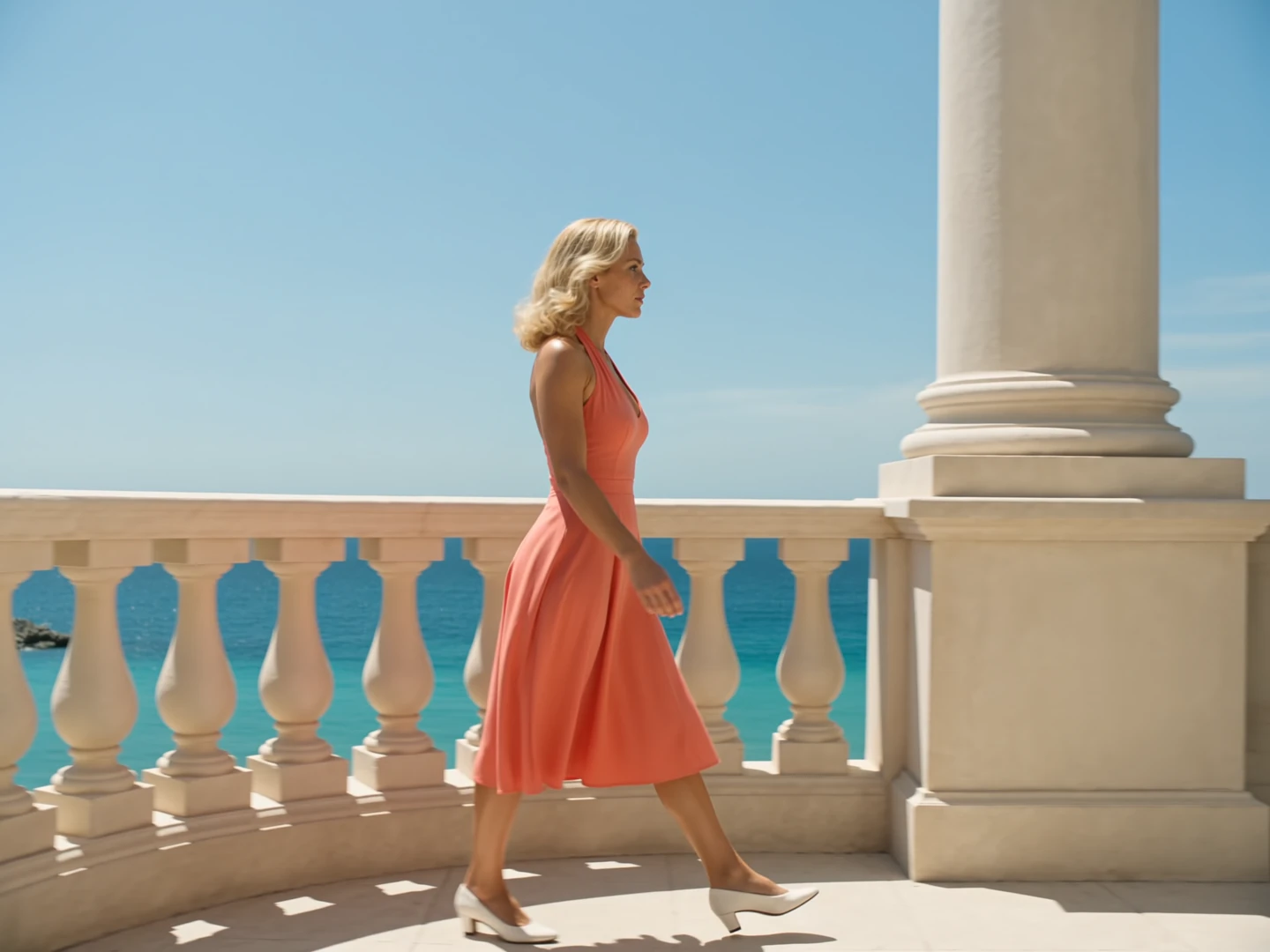
Describe the moment the film needs to hold, in physical action and visible detail. Who or what appears, what happens, and what has changed by the end.
A character entering a room. A product surface catching light. Two moving subjects making contact. Statements like these give the film a center that direction, coverage, and held frames can all serve. "Something epic" gives it nothing.
Keyframe0's work records show finished motion pieces and the decisions behind them.
Define the audience and intended effect
Name the audience in concrete terms and state what they should understand or feel after watching. If the release supports an action, include it.
A broad demographic label is not an audience. Describe the buyer, viewer, or group in relation to this release: what they already know, and which part the film has to carry.
This is what lets the studio judge whether the moment, pacing, and visual information actually serve the intended use, instead of guessing.
List every publishing surface
State where the film will appear and how it will be viewed: the business site, social placements, ads, broadcast, whatever the release includes.
For each surface, record:
- Orientation and dimensions
- Intended duration
- Sound requirements
- Caption or text requirements
- Start and end behavior
- Any file or delivery constraint
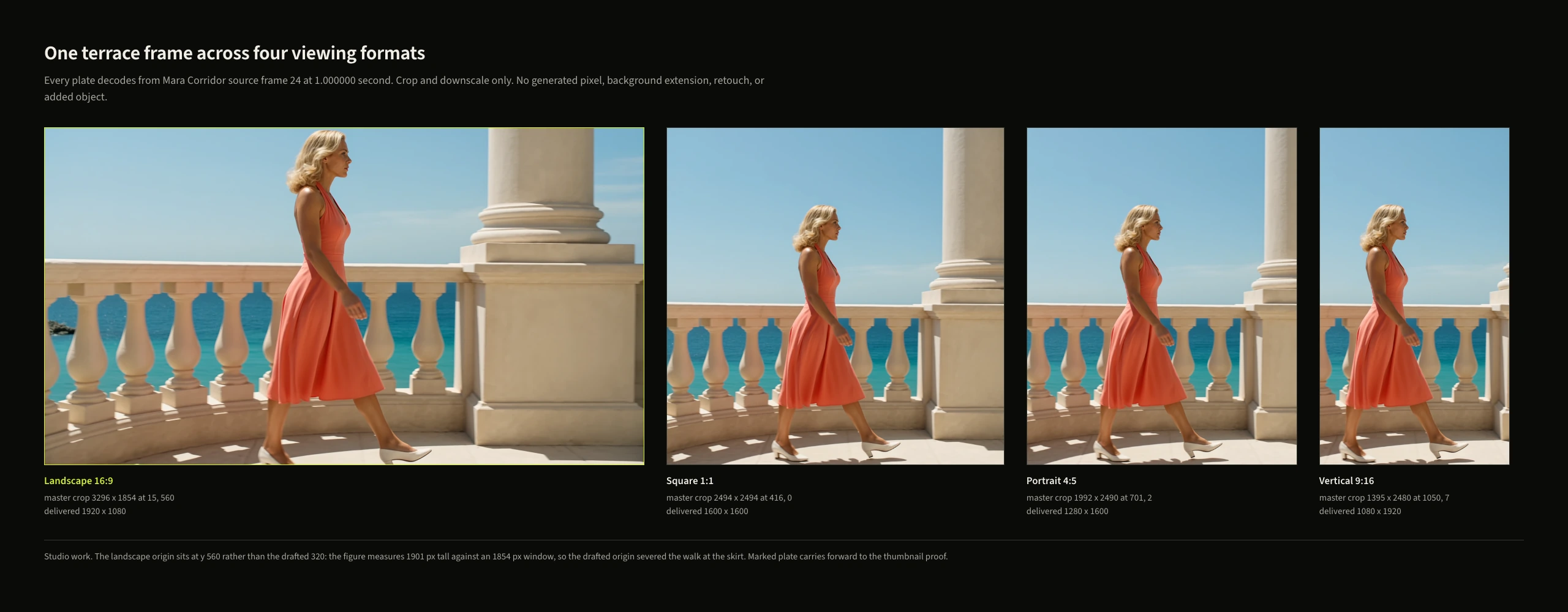
Required formats and crops belong in the brief before production, not in a panicked email after delivery. Keyframe0's motion work includes finished motion in the agreed formats, with poster and held frames when the release needs them.
Gather source material and brand rules
List the footage, images, copy, identity files, references, and other source material the project can use. State who holds the rights and any limit on use.
Include the brand rules the film must follow: fixed marks, colors, type, product details, character details, environmental facts. If the film starts from a written premise with no existing source material, say so directly. That is a normal way to start.
Separate approved source material from material that still needs review, so the missing pieces get named in the written scope instead of discovered mid-production.
Describe the world, characters, and action
Write the visible requirements for the setting, characters, objects, and action, plus any continuity that has to carry across shots or versions.
Keep it tied to what the audience will see. One clear action description is worth more to a director than a page of adjectives. If physical contact matters, describe the contact and the moment it needs to hold.
The motion capability includes motion direction, concept art, sequences, characters, environments, held frames, cutdowns, and crops.
Name supporting creative
A film release may need covers, key art, titles, ads, print, stills, or pages around it. List the pieces that belong in the same project and the surfaces they serve.
When these pieces share one film world, the film sets their visual rules, and everything ships looking like it came from the same place. The scope names which pieces Keyframe0 builds. Review the creative capability for covers, title systems, key art, ads, print, and release graphics.
Record fixed timing and constraints
Include the date that matters if one is fixed. State review windows, source availability, legal or rights conditions, technical requirements, and anything that cannot change.
Split fixed constraints from preferences. The scope protects the requirements that control production; the preferences stay visible as choices instead of masquerading as laws.
Define review checkpoints
Name what needs approval before production and what needs review as the film takes shape. Keyframe0's written method approves the direction first, then reviews pages, images, and films as they land.
The written scope records the outputs, timing, review points, and boundary. New work enters the scope in writing before it starts. That sentence protects you as much as it protects the studio.
Specify the handoff
List every final film, cut, crop, poster frame, and held frame. Record the dimensions, duration, file type, and sound state for each one. Add separated layers and setup notes when the project requires them.
The handoff also includes source files and a written list of anything still open, when those items are part of the agreed scope.
Send the brief in writing
The opening message can be short. Include the moment, audience, intended effect, publishing surfaces, source material, rights, brand rules, required versions, fixed constraints, and handoff needs.
Work with us to send the brand film brief through the written intake.